
Discovering Valpolicella: The Hidden Gems of Veneto Wine Region
- Feb 5
- 3 min read

History of Valpolicella Wine and Food
Valpolicella, located in the Veneto region of Italy, boasts a rich history that intertwines with the cultivation of grapes and the production of wine. The region has been recognized for its viticultural heritage since ancient Roman times, with evidence suggesting that wine production in Valpolicella dates back to at least the 1st century AD. The Romans valued the local wines, which were often exported throughout the empire.
Ancient Roots
The name "Valpolicella" is believed to derive from the Latin "vallis pulli cellae," meaning "valley of many cellars." This reflects the long-standing tradition of winemaking in the area. The fertile soils and favorable climate contributed to the cultivation of grape varieties that would become integral to the region's identity.
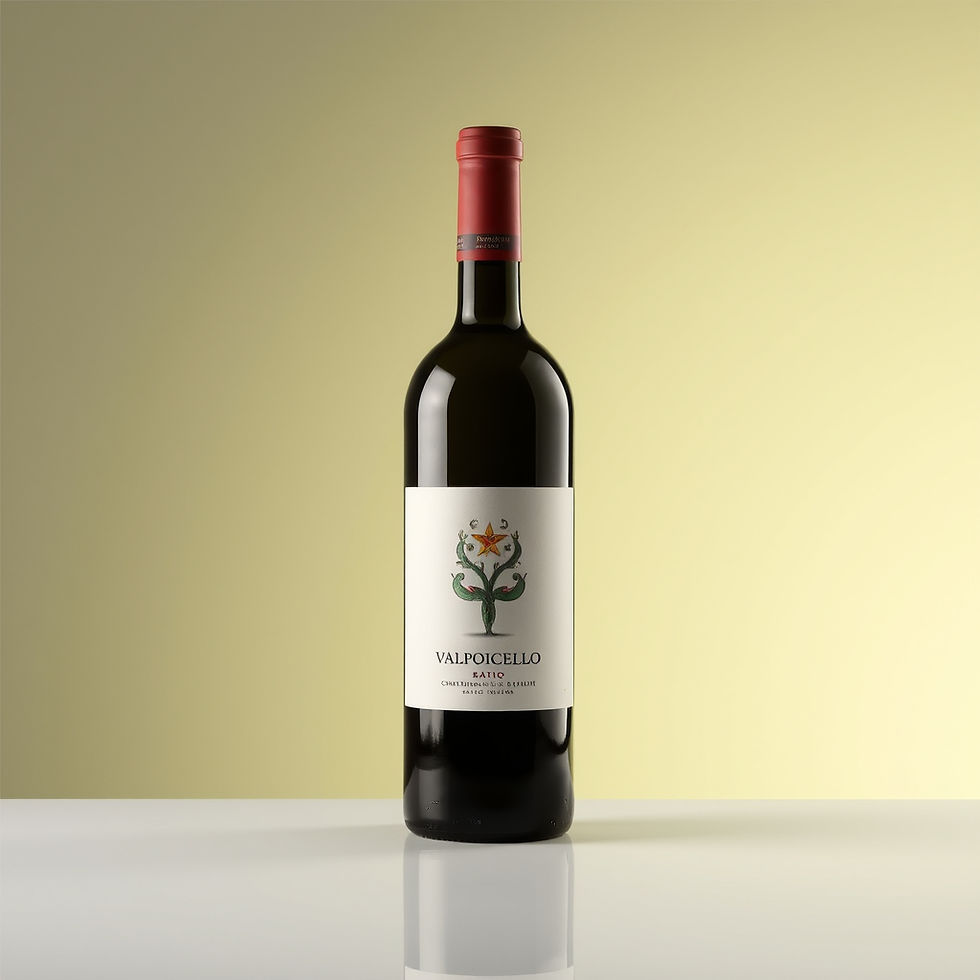
The Development of Wine Styles
Throughout the centuries, the methods of winemaking in Valpolicella evolved. By the Middle Ages, local monasteries played a significant role in refining viticultural practices, leading to the establishment of distinctive wine styles. The introduction of the appassimento method, where grapes are partially dried before fermentation, marked a significant innovation, giving rise to the renowned Amarone and Recioto wines.
Modern Era and Recognition
In the 20th century, Valpolicella wines gained international acclaim, particularly after the establishment of the Denominazione di Origine Controllata (DOC) in 1968, which helped to standardize quality and promote the region's wines. The classification system, which includes Valpolicella Classico, Valpolicella Superiore, and Amarone della Valpolicella, showcases the diversity of styles and flavors that the region has to offer.
Differences Between Amarone and Recioto Wines
1. Production Method
Both Amarone and Recioto are made from dried grapes, but the drying process and fermentation methods differ:
Amarone: Made from grapes that are dried for several months before fermentation. The fermentation process is allowed to continue until most of the sugars are converted to alcohol, resulting in a dry wine.
Recioto: Also made from dried grapes, but fermentation is stopped before all the sugars are converted to alcohol, leading to a sweet wine.
2. Sugar Content
The sugar content in these wines varies significantly:
Amarone: Typically has low residual sugar, making it a dry wine with a higher alcohol content.
Recioto: Contains higher residual sugar, which gives it a sweet taste and lower alcohol content compared to Amarone.
3. Flavor Profile
The flavor profiles of Amarone and Recioto are distinct:
Amarone: Known for its rich, complex flavors, often featuring notes of dark fruit, chocolate, and spices.
Recioto: Characterized by its sweetness, with flavors of ripe fruit, honey, and sometimes floral notes.
4. Food Pairing
These wines pair differently with food:
Amarone: Pairs well with hearty dishes such as red meats, game, and aged cheeses.
Recioto: Often enjoyed with desserts, cheeses, or as a standalone sweet wine.
5. Aging Potential
Both wines have good aging potential, but there are differences:
Amarone: Generally ages well for many years, developing more complexity over time.
Recioto: While it can also age, it is often consumed younger to enjoy its sweetness.
Food Pairings
The culinary traditions of Valpolicella are as rich as its wine history. The region is known for its hearty dishes that complement its robust wines. Traditional foods include:
Risotto all'Amarone: A creamy risotto made with Amarone wine, showcasing the wine's deep flavors.
Polenta: A staple dish often served with rich sauces or game meats, which pairs well with the tannins of Valpolicella wines.
Salumi and Cheeses: Local cured meats and cheeses, such as Monte Veronese, are perfect accompaniments to the region's red wines.
Pastissada de caval: A traditional horse meat stew that is slow-cooked and pairs beautifully with the robust flavors of Amarone.
Valpolicella's history and its connection to food and wine reflect a cultural heritage that is deeply appreciated both locally and internationally. Today, it continues to thrive as a celebrated wine region, with a commitment to quality and tradition.


Comments